
As a fashion designer who’s spent 15 years crafting collections for American men, I’ve witnessed countless trends come and go. One truth remains constant: while fashion fads fade within seasons, timeless style endures. The endless cycle of fast fashion has left many men with closets bursting at the seams yet filled with items they barely wear. In today’s world of instant gratification and constant newness, building a wardrobe that stands the test of time isn’t just smart—it’s revolutionary.
A truly timeless wardrobe eliminates morning decision fatigue, reduces spending in the long run, and ensures you always look polished regardless of occasion. Forget chasing every trend—you’re crafting a personal uniform that expresses your identity while maintaining relevance for years to come. I’ve advised executives, creatives, and everyday professionals on building wardrobes that serve them consistently, and the results are transformative. This guide distills everything I’ve learned into actionable steps you can implement starting today.
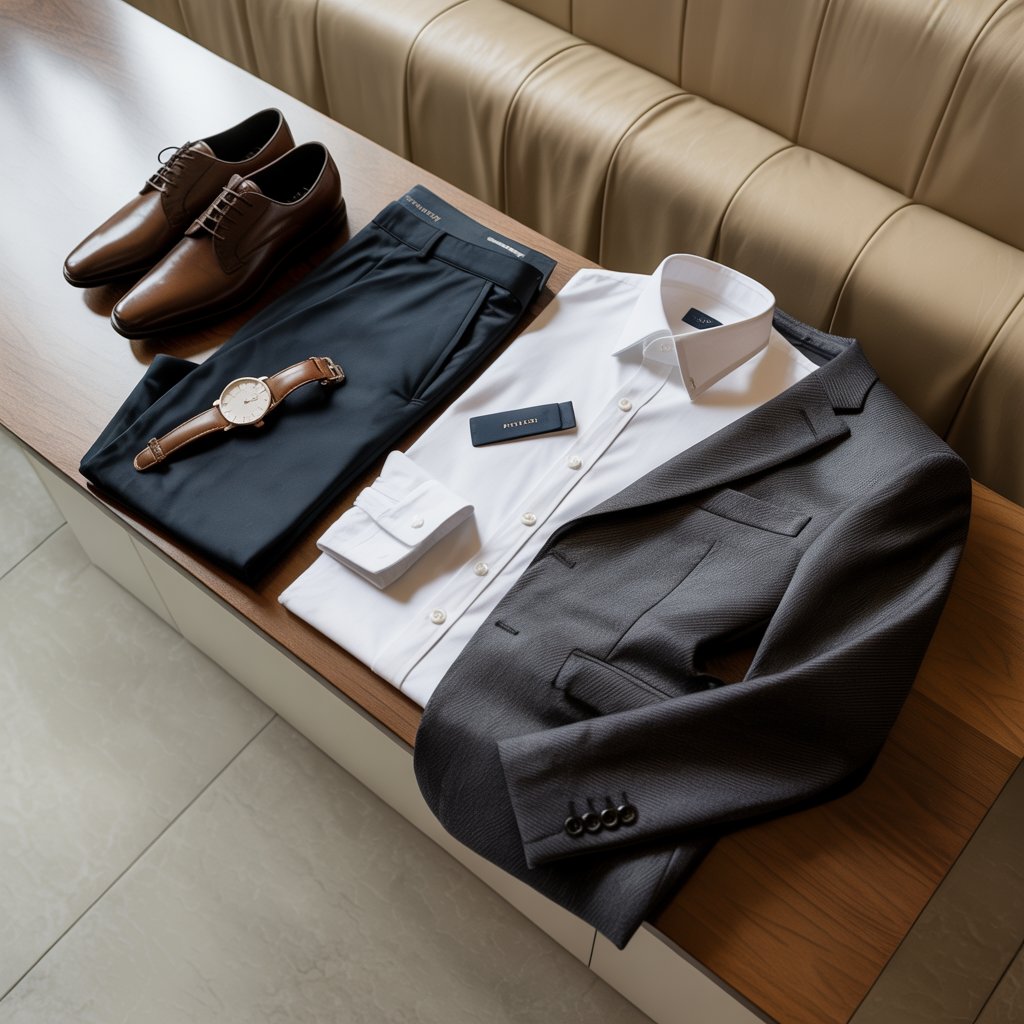
Understanding Timeless vs. Trendy: The Fundamental Mindset Shift
Timeless style isn’t merely about avoiding trends—it’s about understanding the fundamental difference between what merely looks good now versus what will serve you consistently for years. Timeless menswear transcends seasonal fluctuations with classic design elements that maintain aesthetic appeal across decades. These pieces feature clean, elegant silhouettes, exceptional materials, and minimal but purposeful details that enhance rather than distract. Unlike trendy items designed for immediate impact, timeless garments focus on enhancing your natural presence without shouting for attention.
When working with clients, I explain this distinction using what I call the “five-year test”: Will I still want to wear this item five years from now? If the answer involves “only if this trend comes back,” you’ve identified a trendy piece rather than a timeless investment. The fashion industry thrives on manufactured obsolescence, convincing you that last season’s items are somehow inadequate. Breaking free from this cycle requires recognizing that true style isn’t about consumption frequency but about cultivation of pieces that genuinely serve you.
Pro Tip: When trying on new clothing, deliberately look for elements that might date the item—extreme silhouettes, overly bold patterns, or gimmicky details. If you can pinpoint specific aspects that feel "of the moment," reconsider whether it belongs in your timeless collection.According to Nerdbot.com, the difference between timeless and trendy menswear reveals two completely different approaches to personal style, where timeless pieces become the foundation of reliable aesthetic presence that builds consistent confidence.
The Four Pillars of Timeless Menswear
To build a wardrobe that lasts, you must anchor your choices in four foundational principles that separate fleeting fashion from enduring style. These pillars form the framework I’ve used to guide hundreds of clients toward wardrobes that serve them reliably through changing seasons and evolving personal circumstances.
- Understated Elegance: Avoid loud designs and excessive branding that date quickly. Timeless pieces speak through quality rather than logos.
- Strategic Versatility: Each item should function in multiple contexts—office to evening, season to season.
- Material Integrity: Natural fibers and quality construction ensure garments age gracefully rather than disintegrate.
- Personal Appropriateness: Your wardrobe must align with your actual lifestyle, not an aspirational fantasy.
The most common mistake I see is attempting to build a “one size fits all” capsule wardrobe without personalization. Your timeless wardrobe should reflect your specific reality—a tech startup founder requires different essentials than a corporate lawyer, though both benefit from timeless principles. As Amour Vert notes, the essence of timeless dressing isn’t minimalism but selectivity where each piece earns its place through frequent use and emotional connection.
| Timeless Principle | Trendy Approach | What to Look For |
|---|---|---|
| Understated Elegance | Loud Branding & Logos | Minimal hardware, subtle textures, quiet detailing |
| Strategic Versatility | Narrow Functionality | Multiple outfit combinations demonstrated |
| Material Integrity | Disposable Materials | Natural fibers (wool, cotton, linen), quality stitching |
| Personal Appropriateness | Aspirational Purchasing | Fits actual lifestyle needs, not “who I want to be” |
“A well-designed men’s capsule wardrobe stands strong through time. The fashion industry’s trends keep changing, yet some clothing essentials will make a man look stylish whatever the season or year.” – Blitz, Nerdbot
Building Your Foundation: The Essential Timeless Pieces
Your cornerstone garments form the structural foundation upon which your entire wardrobe rests. These are the pieces you’ll reach for most frequently because they serve multiple purposes while maintaining elegant simplicity. For American men building from scratch, I recommend starting with these universal essentials before expanding your collection:
- The Perfect White Button-Down: Not just any white shirt, but one with a slightly structured collar, mother-of-pearl buttons, and a fit that skims your body without clinging
- Dark Navy Blazer: The single most versatile outer layer in menswear, functioning equally well with jeans or dress trousers
- Charcoal Gray Suit: A medium-weight wool blend that transitions smoothly between seasons
- Dark Wash Jeans: Straight or slim-straight cut with minimal distressing
- Oxford Cloth Dress Shirts: In light blue and white for business casual environments
- Merino Wool Sweaters: Crewneck and V-neck in neutral tones
- Brown Leather Derby Shoes: The ideal bridge between formal and casual footwear
- White Sneakers: Clean, minimalist design without excessive branding
Quality matters most with these foundational items. Investing $300 in a shirt that lasts 5 years costs less per wear than five $60 shirts lasting six months each. According to Men’s Wearhouse, building a capsule wardrobe requires understanding what truly matters in your closet—focusing on simplicity, versatility, and long-term value.
Pro Tip: Before purchasing foundational pieces, research the specific measurements that work for your body type. Many online retailers provide detailed sizing charts—take advantage of them. Ill-fitting garments instantly undermine even the most timeless designs.Mastering the Color Palette Strategy: Creating Cohesion Without Boredom
The power of a timeless wardrobe lies in strategic color coordination that enables effortless mixing and matching while avoiding visual fatigue. Your palette isn’t about limitation—it’s about creating harmony through thoughtful selection. Consider these guidelines when building your color foundation:
Neutral anchors form approximately 70% of a timeless wardrobe:
- Dark Neutrals: Navy, charcoal gray, black
- Mid-Tones: Medium gray, olive, camel
- Light Neutrals: White, cream, light gray
Accent colors (30% of your wardrobe) should complement your neutrals while reflecting personal style:
- Earthy Tones: Burgundy, forest green, mustard
- Classic Blues: Light blue, denim, cornflower
- Unexpected Pops: Deep rust, navy with subtle patterns
| **Color Role** | **Recommended Items** | **Wear Frequency** | **Mixing Potential** |
|----------------|------------------------|--------------------|----------------------|
| Core Neutral   | Dress trousers, blazer, dark jeans | Daily | Works with everything |
| Transitional   | Chinos, knitwear, casual shirts | 3-4x weekly | High flexibility |
| Accent         | Patterned shirts, colored knitwear | 1-2x weekly | Specific combinations |
| Statement      | Bold outerwear, unique accessories | Occasional | Careful pairing needed |
Most beginners make the mistake of selecting colors individually without considering how they interact throughout the entire wardrobe. At my studio, we create color boards for clients showing how each new piece connects visually with existing items. This prevents the “everything matches nothing” dilemma where you own many colors that don’t harmonize.
As Amour Vert emphasizes, neutral tones create ensembles that coordinate naturally, simplifying the dressing process while maintaining visual interest through texture variation rather than overwhelming color choices.
The Fit Imperative: Why Tailoring Makes All the Difference
No amount of quality or design sophistication can overcome poor fit. In my experience working with men of all body types, properly fitted garments transform ordinary items into extraordinary outfits. The difference between off-the-rack and properly tailored clothing isn’t merely aesthetic—it’s psychological. When your clothes fit correctly, you stand taller, move with more confidence, and project authority without saying a word.
Consider these critical fit markers for key garment types:
- Shoulders: Seams should align perfectly with where your shoulder meets your arm
- Sleeves: Cuff should sit at the wrist bone, allowing ¼” of shirt to show beneath
- Torso: No pulling across chest or back, no excess fabric gathering
- Pants: Break should be clean—one slight crease at most on dress pants
In America, where standardized sizing often fails to accommodate diverse body types, professional tailoring isn’t a luxury—it’s a necessity for building a truly timeless wardrobe. Most department stores and quality menswear retailers offer basic tailoring services that can transform an “almost right” garment into a perfect foundation piece.
| Garment | Key Fit Considerations | Acceptable Alterations |
|---|---|---|
| Suit Jacket | Shoulder seam alignment, sleeve length, chest fit | Sleeve shortening, waist taking-in (max 1.5″) |
| Dress Shirt | Collar comfort, shoulder width, torso fit | Sleeve length, shoulder adjustment (limited) |
| Trousers | Waist fit, seat fullness, break at shoe | Hemming, waist taking-in (max 2″), tapering |
| Sweaters | Shoulder seam, sleeve length, torso drape | Limited alteration possibilities—prioritize correct size selection |
“A thoughtfully chosen garment can be styled many ways, across seasons and occasions.” – Men’s Wearhouse
Pro Tip: When building your foundation, purchase one size up in critical areas like shoulders and chest. It's easier to tailor garments smaller than larger, especially with structured pieces like blazers and suits. Keep a running list of tailoring needs as you wear items—some fit issues only become apparent after multiple wears.Building Gradually: The Intentional Wardrobe Strategy
One of the most significant mental shifts required for building a timeless wardrobe is moving from impulse-driven consumption to intentional acquisition. The concept of “buy less, but buy better” often sounds restrictive until you experience the freedom of owning fewer items you genuinely love and wear consistently.
Your building process should follow this progression:
- The Purge: Remove everything that no longer fits, flatters, or serves your current lifestyle
- Foundation First: Build your neutral core (40% of total wardrobe)
- Strategic Layers: Add transitional pieces (30%)
- Personality Elements: Incorporate carefully selected accents (20%)
- Statement Pieces: Introduce limited conversation starters (10%)
The ideal number of items sparks debate among style experts, with suggestions ranging from 20 to 40 pieces. However, the message remains clear—quality beats quantity every time. As noted in Nerdbot, a capsule wardrobe pushes back against the ever-changing world of fashion by bringing together carefully selected essentials that work for most situations and create countless outfit combinations.
- Month 1-2: Focus on perfecting your foundation (shirts, trousers, outerwear)
- Month 3-4: Add transitional layers (sweaters, versatile jackets)
- Month 5-6: Incorporate seasonal adjustments and personal accents
This methodical approach prevents overwhelm while ensuring each addition serves multiple purposes within your evolving system. Remember, building a timeless wardrobe isn’t a project with an endpoint—it’s an ongoing practice of refinement and intentional selection.
Maintaining Your Timeless Investment: Care Is Part of the Process
Purchasing quality garments represents only half the equation—proper care ensures they maintain their integrity throughout their extended lifespan. Many men unknowingly ruin perfectly good garments through improper cleaning and storage techniques.
- Wool garments: Store folded rather than hung to prevent shoulder bumps; air out between wears
- Dress shirts: Button before washing to protect buttons and fabric; wash in cold water
- Denim: Wash infrequently in cold water to preserve color and fabric integrity
- Leather shoes: Use cedar shoe trees and rotate wearing to allow proper drying
Consider creating a garment care schedule as part of your wardrobe management. Track cleaning frequency and inspection points to catch minor issues before they become major problems. Professional tailors often offer cleaning consultation services that can extend the life of your most valuable pieces significantly.
“The trend of conscious consumption is not restrictive but rather intentional. Shoppers are no longer buying what is popular but selecting something that has meaning, is more durable, and contains a sense of values.” – Amour Vert
Pro Tip: Invest in quality garment storage solutions—a $20 cedar hanger from The Container Store prevents more damage than a $200 shirt costs to replace. Keep suits and jackets on wide, padded hangers and fold knits to prevent stretching.Timeless Style Is Personal Style
Building a timeless wardrobe doesn’t mean erasing your individuality—it means expressing it through garments that serve you consistently over time. The ultimate goal isn’t to look like everyone else wearing “timeless” pieces but to curate a collection that reflects your unique identity while meeting practical needs.
As Men’s Wearhouse states, “It’s not about restriction; it’s about freedom. Freedom from clutter, freedom from morning stress, and the freedom to express your personal style with confidence and ease.”
Your timeless wardrobe should feel like an extension of yourself—comfortable, authentic, and effortlessly put together. By focusing on quality over quantity, strategic versatility, and personal appropriateness, you’ll create a wardrobe system that serves you reliably for years to come. Remember, true style isn’t about possessing the most clothing but cultivating the most meaningful connections with what you own.
Start today with one deliberate purchase that meets all four pillars of timeless menswear. As your collection grows thoughtfully, you’ll experience the profound shift from chasing fashion to cultivating genuine personal style—a transformation that lasts far beyond any trend cycle.