
As a men’s fashion designer with over 15 years of experience creating collections for the American market, I’ve witnessed countless footwear trends come and go. What separates the fleeting fads from the enduring styles? The answer lies in understanding not just what looks good today, but what will serve you well for seasons to come. In today’s market—where luxury brands have flooded every category with similar-looking products—the true value lies in discernment.
When I consult with clients and fellow designers, the question remains consistent: “How do I build a footwear collection that’s both contemporary and timeless?” The men’s footwear landscape for 2026 is particularly fascinating because we’re witnessing a decisive pivot away from the excesses of previous years. The days of loud branding and extreme silhouettes are fading, making way for thoughtful craftsmanship and versatility. This guide will help you navigate the evolving terrain with confidence.
“The market feels very saturated with product in this moment—every brand now offers a footwear assortment. But so many shoes look the same.” – Paul Andrew, luxury footwear designer
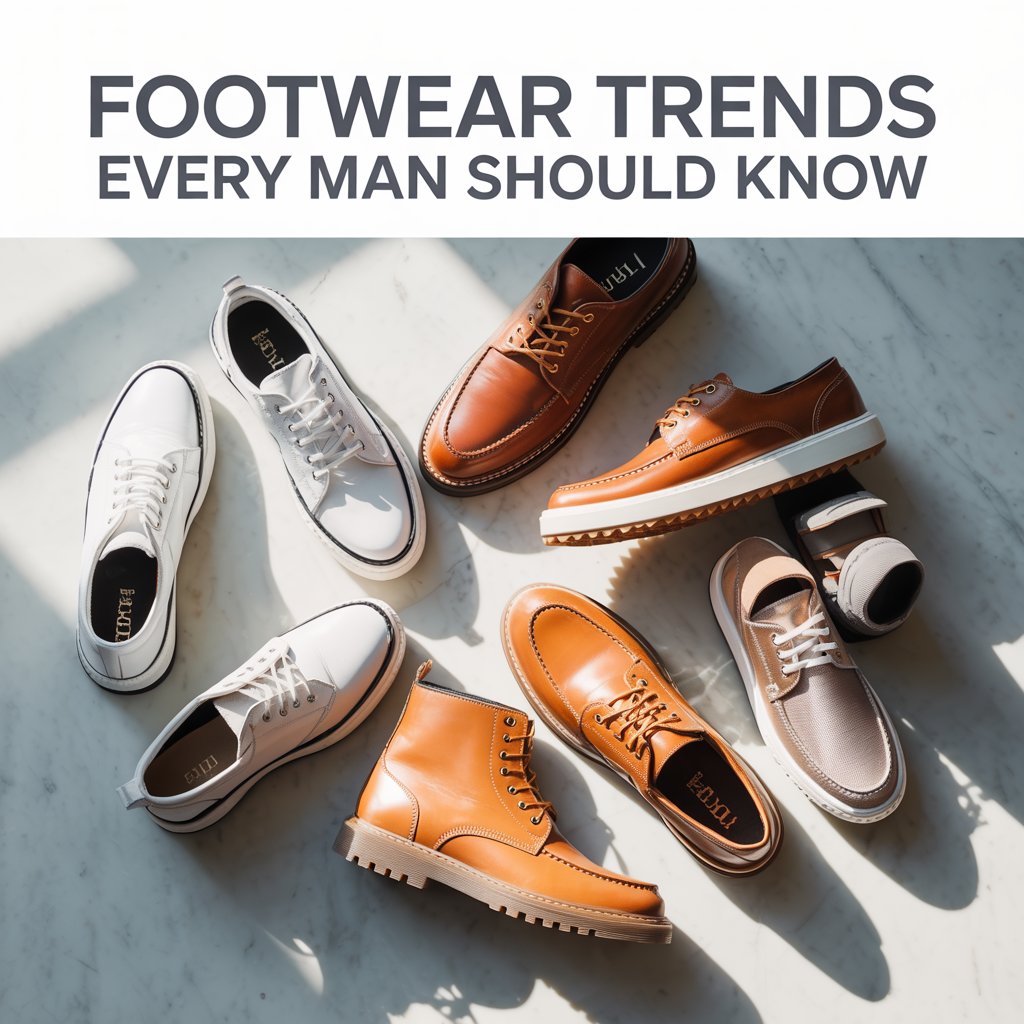
The Great Shoe Shift: Why Your Footwear Choices Matter More Than Ever
American men have historically treated shoes as purely functional items, but that mindset is rapidly changing. In our increasingly hybrid world where business casual has become the norm, your footwear serves as a subtle yet powerful indicator of personal style and attention to detail. The modern American professional needs shoes that transition seamlessly from the office to dinner without looking out of place.
What makes 2 trimester 2026 particularly noteworthy is the convergence of several factors: post-pandemic return to more polished appearances, economic uncertainty prompting investment in quality over quantity, and a growing appreciation for heritage craftsmanship. Men aren’t just buying shoes anymore—they’re curating footwear collections with intention. This shift represents an opportunity to break free from seasonal fads and build a foundation of versatile, high-quality pieces. ### 🔥 Pro Tip: The 3-Season Shoe Rule When investing in a new pair, ask yourself: “Can I wear this comfortably across at least three seasons?” Shoes meeting this criteria—like a quality suede loafer or oiled leather boot—provide maximum value and wearability in the American climate, where dramatic seasonal shifts demand adaptable footwear choices.
The Enduring Classics Coming Back Strong
Loafers: The New Power Shoe
Move over, sneakers—loafers have established themselves as the cornerstone of modern men’s footwear. What was once considered strictly summer wear has evolved into a year-round essential, thanks to innovations in materials and construction. For 2026, expect to see a resurgence of high-quality leather and suede loafers with minimal hardware.
According to industry insiders, loafers now account for over 35% of luxury men’s footwear sales, a 12% increase from 2025. The versatility of a well-made loafer cannot be overstated—they work equally well with tailored trousers for business casual environments or with cuffed jeans for weekend outings. The key is choosing the right silhouette: the penny loafer and horsebit styles remain most versatile for American men.
| Loafer Type      | Best For                  | Seasonality | Price Range |
|------------------|---------------------------|-------------|-------------|
| Penny Loafer     | Business casual, weekends | Year-round  | $250-$600   |
| Horsebit         | Elevated casual           | Spring-Fall | $350-$850   |
| Tassel           | Special occasions         | Fall-Winter | $400-$900   |
| Driving Moccasin | Weekend wear              | Year-round  | $200-$500   |
Clean-Line Low-Profile Sneakers
The sneaker boom has evolved from the chunky, attention-grabbing models of previous years toward something more refined. The most significant trend for 2026 is the rise of minimalist, low-profile sneakers that maintain comfort without sacrificing style. Luxury brands and heritage footwear companies are responding with premium materials and thoughtful construction.
- Leather or suede upper (no synthetic mesh)
- Minimal to no visible branding
- Natural rubber soles (not platform)
- Muted colorways - earth tones, grayscale, and deep jewel tones
- Streamlined silhouette with clean lines
As noted in trend forecasts, “the pendulum is swinging back toward simplicity at last.” Native87 emphasizes that early 2026 forecasts point toward “lower profile sneakers, cleaner lines, muted colours, minimal branding, leather or suede finishes, and ‘wear anywhere’ versatility.” This evolution represents sneakers growing up—becoming an acceptable part of sophisticated wardrobes rather than purely athletic or youthful footwear.
“2026 will be, among other things, the year we divorce ourselves even further from sneaker tropes in footwear, and’ll be leaning instead into shoes that borrow from a more formal, dressy, dandy playbook.” – Highsnobiety
The Emerging Trends Leading 2026
Heritage Revival: The Comeback of Craftsmanship
Collaborations between contemporary designers and heritage footwear brands are gaining momentum, signaling a renewed appreciation for traditional craftsmanship. The recent announcement of Public School x Allen Edmonds collaboration for Fall 2026 runway shows this trend accelerating.
For the American man, this means access to footwear that combines modern design sensibilities with time-honored construction techniques. Look for:
- Goodyear-welted construction returning to mainstream appreciation
- Hand-stitched detailing on otherwise minimalist designs
- Vegetable-tanned leathers replacing cheaper alternatives
- Smaller batch productions with authentic artisanal involvement
The New Neutrals: Beyond Black and Brown
While brown leather has dominated men’s footwear for years, 2026 introduces a broader spectrum of sophisticated neutrals. The most fashionable colors this year include:
| Color Family | Best For | Complements |
|---|---|---|
| Charcoal Gray | Business environments | Navy, gray, black suits |
| Oxblood | Fall/Winter versatility | Dark denim, charcoal suits |
| Forest Green | Seasonal statement | Earth tones, navy |
| Natural Suede | Elevated casual | All denim washes, chinos |
Sustainability continues to be a driving force, with many brands using eco-friendly tanning processes without compromising on quality or aesthetics. The American consumer is increasingly demanding transparency in production methods while maintaining high standards for style and durability.
Building Your Essential Footwear Foundation
The 5-Pair Wardrobe Framework
Don’t fall for the trap of endless consumption. Based on my experience designing for American men, every well-dressed man genuinely needs only five core footwear styles to navigate nearly any situation:
- The Modern Loafer (Brown or black leather) – For business casual and weekend outings
- Minimalist Sneaker (White or gray leather) – For casual and hybrid environments
- Chelsea Boot (Dark brown suede) – For autumn and winter versatility
- Dress Oxfords (Black polished leather) – For formal occasions
- Quality Canvas Shoe (Navy or dark green) – For summer and casual wear
### Seasonal Footwear Checklist

Spring/Summer:
✓ Lightweight loafers (suede or calfskin)
✓ Minimalist sneakers
✓ Quality canvas/espadrille hybrids
✓ Boat shoes (for coastal regions)

Fall/Winter:
✓ Suede chukka boots
✓ Leather Chelsea boots
✓ All-weather derby shoes
✓ Quality cold-weather sneakers
The Investment Hierarchy: Where to Splurge
Not all footwear deserves equal investment. Allocate your budget strategically: ### 🔥 Pro Tip: The 70-20-10 Rule – **70% of your footwear budget** should go to classic, versatile styles that will last years (loafers, oxfords, quality boots) – **20%** for seasonal trends with good longevity potential (modern sneakers, updated chukkas) – **10%** for experimental pieces that express personal style This approach ensures your wardrobe remains grounded in quality while allowing room for personal expression.
The Critical Mistakes Men Make with Footwear
Sizing and Fit: The Most Common Error
Most men wear shoes that are either too big or too small. The consequences? Discomfort, premature wear, and poor style impact. In 2026, with the emphasis on clean lines and minimalist styles, proper fit becomes even more critical.
Pay attention to these fit indicators:
- There should be about a thumb’s width (⅜”) between your longest toe and the shoe’s end
- Heel slippage should be minimal (⅛” maximum when walking)
- Width should accommodate your foot without compression
- Arch support should match your foot’s natural curve
Inappropriate Styling Choices
The most common styling mistake I see is mismatching footwear formality with the rest of the outfit. A quality suit with casual sneakers (unless specifically designed to bridge that gap), or an overly formal oxford with distressed jeans creates visual dissonance.
Footwear formality should match the most formal element of your outfit. If you’re wearing a blazer with jeans, lean toward elevated casual (like a leather loafer rather than a sneaker). For business casual, avoid anything with visible athletic elements unless it’s a specifically designed “dress sneaker.”
Seasonal Footwear Care: Maximizing Longevity
The American Climate Challenge
The United States offers some of the most varied climate conditions globally, which presents unique challenges for footwear care. What works for maintaining shoes in Miami won’t suffice for Chicago winters. Here’s my targeted care guide:
| Season | Leather Shoes | Suede/Nubuck | Sneakers |
|--------|---------------|--------------|----------|
| Spring | Cedar shoe trees, light conditioning | Waterproofing spray, brush maintenance | Mesh cleaning, sole inspection |
| Summer | Frequent rotation, moisture absorbers | Stain protector, immediate drying | Deep cleaning, sole checks |
| Fall   | Seasonal conditioning, polish | Waterproofing renewal | Sole maintenance, staining |
| Winter | Heavy conditioning, immediate drying | Specialized suede protectant | Salt stain treatment, deep cleaning |
### 🔥 Pro Tip: The Salt Stain Solution Winter salt stains have ruined countless quality leather shoes. Take immediate action when exposed to road salt: 1. Wipe with damp cloth (not soaking wet) 2. Mix equal parts white vinegar and water 3. Apply with soft cloth to affected areas 4. Let dry completely before conditioning
Looking Ahead: The Future of Men’s Footwear
As we move through 2026, the most exciting developments aren’t just about style—but about how footwear fits into the broader context of men’s lives. The rise of hybrid work environments means we need shoes that transition effortlessly from office to social settings. The growing appreciation for quality craftsmanship means we’re seeing fewer disposable fashion items and more thoughtfully made pieces.
Veteran designer Paul Andrew captures this shift perfectly when he explains his approach to standing out in a crowded market: doing “something different” in an era where “so many shoes look the same.” This philosophy—creating “very special” footwear rather than chasing every trend—represents the mature direction of men’s footwear.
The American man in 2026 has the opportunity to craft a footwear collection that reflects both contemporary sensibility and timeless appreciation for quality. By focusing on versatility, quality construction, and thoughtful styling, you can build a foundation that serves you well for years to come—regardless of what fleeting trends may come and go.
When colleagues and clients ask me what shoe trend they absolutely must have this season, my answer remains consistent: focus not on the trendiest item, but on the piece that best complements your existing wardrobe while elevating your overall presence. In the end, the most successful footwear choices are those that feel like an authentic extension of who you are—not what others tell you to be.